
Decorative Border
voices that deserve to be heard

Beyond speech, toward understanding

Insights and research on how people communicate without words, exploring muteness, sign language, accessibility, and inclusive technology shaping the future of expression.

Editorial Team

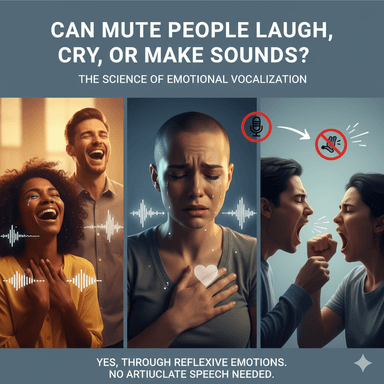
Can Mute People Laugh, Cry, or Make Sounds?

Yes, most mute people can laugh, cry, cough, and produce reflexive sounds distinct from structured speech. Delve into the science of emotional vocalization and its role in human connection.

January 4, 20261 min read
Editorial Team

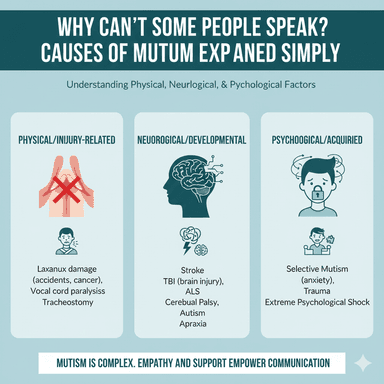
Why Can’t Some People Speak? Causes of Mutism Explained Simply

Mutism stems from physical trauma, neurological disruptions, psychological anxiety, congenital factors, or injuries, explained accessibly without jargon. Gain insights to support inclusion and personal enlightenment.

January 4, 20261 min read
Editorial Team

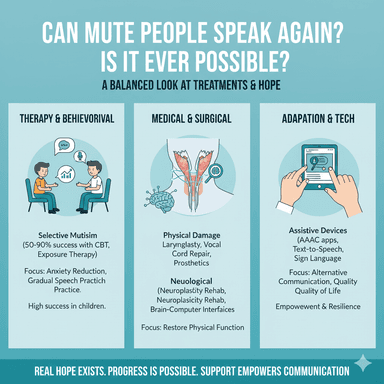
Can Mute People Speak Again? Is It Ever Possible?

Recovery from mutism is possible for many through therapy, surgery, or adaptation, though outcomes vary by cause, no guarantees, but real hope exists. This balanced look at treatments empowers realistic support and understanding.

January 4, 20261 min read
Editorial Team

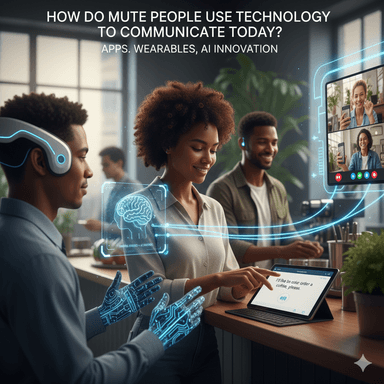
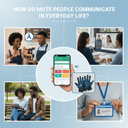
How Do Mute People Use Technology to Communicate Today?

From text-to-speech apps to AI wearables like AlterEgo, mute folks leverage cutting-edge tech for fluid communication. Explore accessible tools revolutionizing daily interactions without hype.

January 4, 20261 min read
Editorial Team

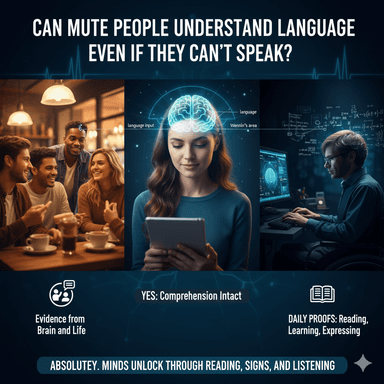
Can Mute People Understand Language Even If They Can’t Speak?

Absolutely, mutism affects output, not input; mute individuals comprehend language fully via reading, signs, or listening. Real examples show sharp minds behind silence.

January 4, 20261 min read
Editorial Team

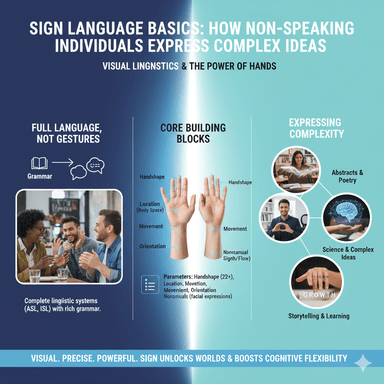
Sign Language Basics: How Non-Speaking Individuals Express Complex Ideas

Sign language is a complete linguistic system with grammar, not mere gestures, enabling poetry, debates, science in visual form. Basics demystify this vibrant world.

January 4, 20261 min read
Editorial Team

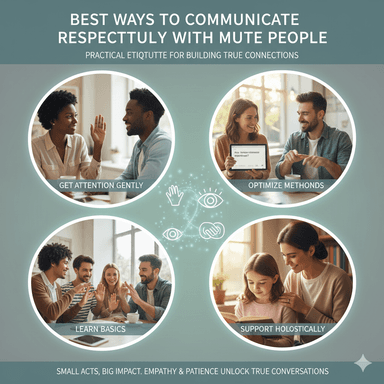
Best Ways to Communicate Respectfully With Mute People

Respectful chats with mute folks involve eye contact, clear methods, patience, no shouting needed. Practical guide for work, school, public to build true connections.

January 4, 20261 min read
Editorial Team

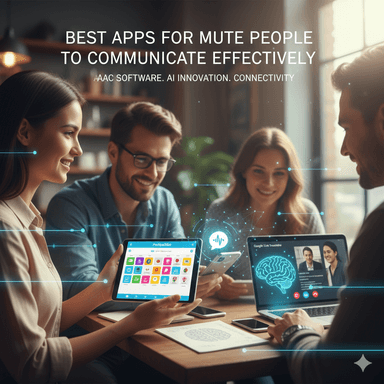
Best Apps for Mute People to Communicate Effectively

Top apps like Proloquo2Go, LetMeTalk, and Avaz empower mute users with customizable voices, symbols, and real-time text for seamless chats. Neutral roundup with use cases to find what fits daily needs.

January 4, 20261 min read
Editorial Team

Text-to-Speech Apps for Mute People: How Do They Work?

Text-to-speech (TTS) converts typed or selected words into natural-sounding voice, liberating mute users in meetings, calls, or casual talks. Simple breakdown of tech, apps, and scenarios.

January 4, 20261 min read
Editorial Team

Devices With Speech-to-Text Features for Mute Users

Smartphones, tablets, and dedicated aids like iPads with Live Caption or Echo Smart use speech-to-text for real-time transcription, aiding mute listeners in noisy worlds. Overview of built-ins and add-ons.

January 4, 20261 min read

Editorial Team

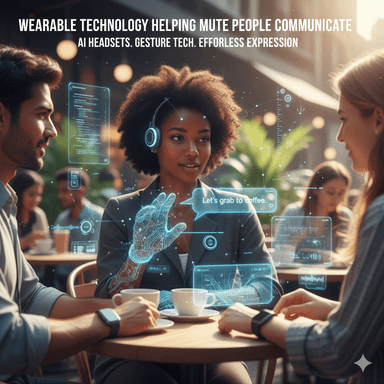
Wearable Technology Helping Mute People Communicate

Smart rings, bands, and headsets like AlterEgo or Humane AI Pin detect gestures/subvocalizations for discreet, hands-free talk, wearable tech making mute expression effortless.

January 4, 20261 min read

Editorial Team

Affordable Communication Tools for Mute People in India

Free apps like Live Transcribe, budget tablets, NGO aids, and ISL resources make communication accessible in India, under ₹5000 options with local support.

January 4, 20261 min read

Editorial Team

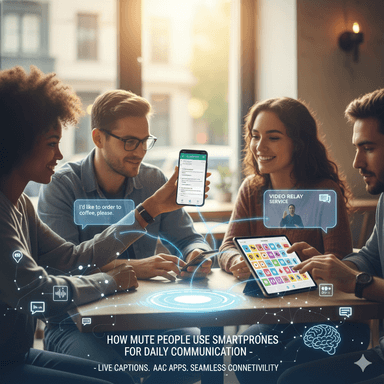
How Mute People Use Smartphones for Daily Communication

Mute individuals rely on smartphone features like live captions, AAC apps, and text messaging for seamless daily communication. Discover practical ways they navigate calls, social interactions, and more with built-in tools.

January 4, 20262 min read

Editorial Team

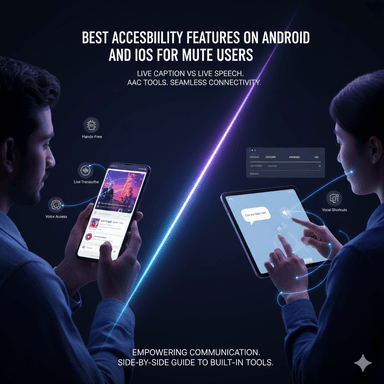
Best Accessibility Features on Android and iOS for Mute Users

Compare Android and iOS accessibility: Live Caption vs Live Speech, AAC tools, and more for mute users. Side-by-side guide to built-in features empowering daily interactions.

January 4, 20261 min read

Editorial Team

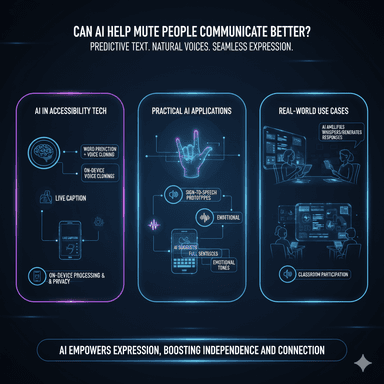
Can AI Help Mute People Communicate Better?

AI enhances mute communication via predictive text, text-to-speech, and real-time translation in AAC apps. Explore how emerging tools boost expression and independence.

January 4, 20261 min read

Editorial Team

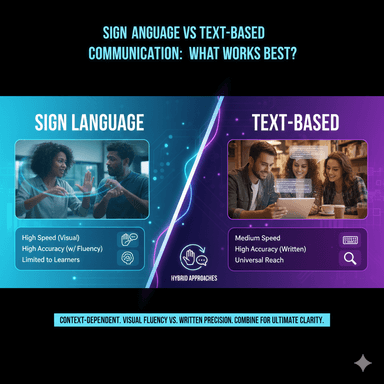
Sign Language vs Text-Based Communication: What Works Best?

Sign language excels in speed and emotion for deaf-mute users; text offers accuracy and broad reach. Compare pros, cons, and hybrid approaches for effective communication.

January 4, 20261 min read

Editorial Team

Online Sign Language Courses Designed for Non-Speaking Individuals

Top online sign language courses with video lessons, apps, and free certs tailored for non-speakers. Beginner-friendly resources to build fluency confidently.

January 4, 20261 min read

Editorial Team

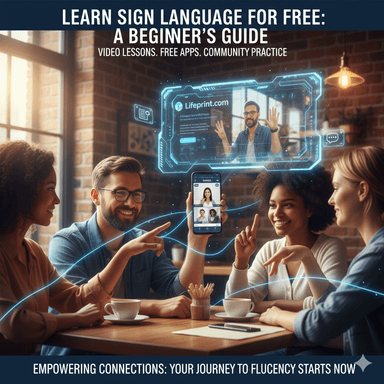
How to Learn Sign Language for Free: A Beginner's Guide

Master sign language zero-cost through YouTube channels like Bill Vicars, free apps like SignASL, NIOS ISL courses, and local Deaf community practice, 30-day roadmap inside for beginners.

January 4, 20262 min read

Editorial Team

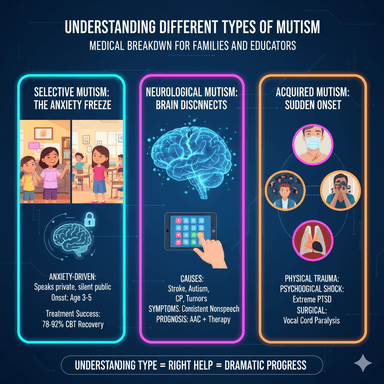
Understanding Different Types of Mutism

Selective mutism (anxiety-based), neurological mutism (brain damage), acquired mutism (injury/surgery), each requires different support strategies. Medical breakdown for families and educators.

January 4, 20261 min read

Editorial Team

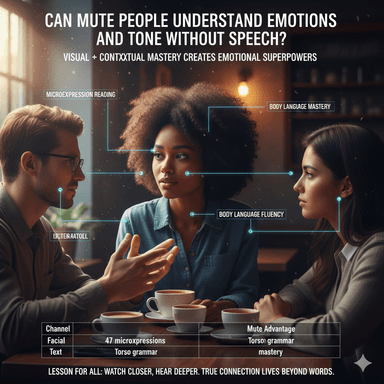
Can Mute People Understand Emotions and Tone Without Speech?

Absolutely, mute individuals often excel at reading microexpressions, body language, text tone markers better than average speakers. Visual + contextual mastery creates emotional superpowers.

January 4, 20262 min read

Editorial Team

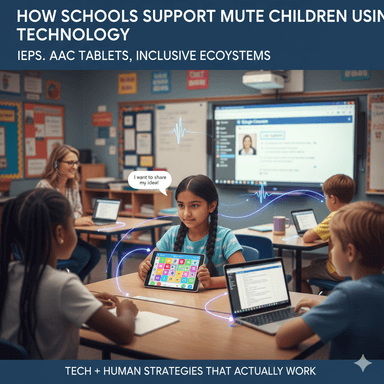
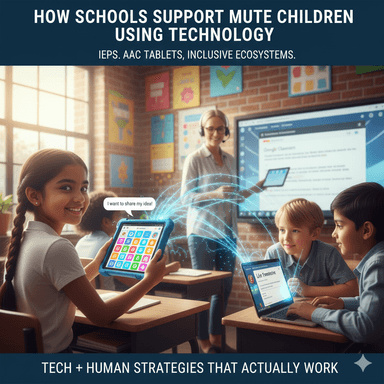
How Schools Support Mute Children Using Technology

IEPs, AAC tablets, live captioning, peer buddies, teacher training, schools create full inclusion ecosystems. Tech + human strategies that actually work for mute students.

January 4, 20261 min read

Editorial Team

Affordable Tablets With Communication Apps for Mute Children

₹10k-20k tablets (Lenovo M10, Samsung A8, refurb iPad) running free AAC apps deliver durable voices for kids. Parent guide to specs, rugged cases, battery life priorities.

January 4, 20262 min read

Editorial Team

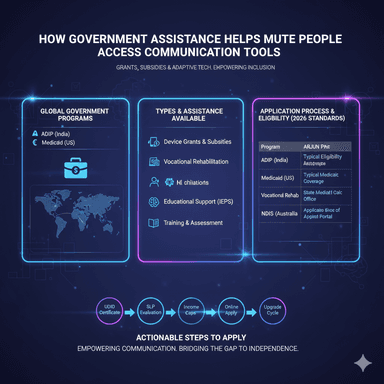
How Government Assistance Helps Mute People Access Communication Tools

Government programs provide grants, subsidies, and devices for mute individuals to access AAC tools, speech apps, and adaptive tech. Learn eligibility, applications, and support options worldwide.

January 4, 20262 min read

Editorial Team

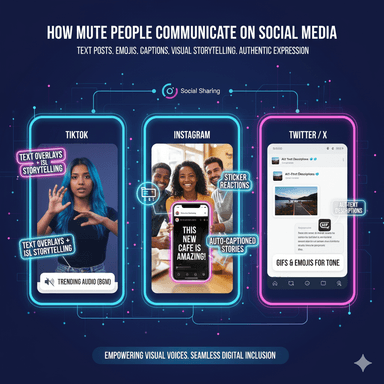
How Mute People Communicate on Social Media

Mute users thrive on social media using text posts, emojis, GIFs, videos, and captioning tools across Instagram, Twitter, and TikTok for authentic expression.

January 4, 20262 min read

Editorial Team

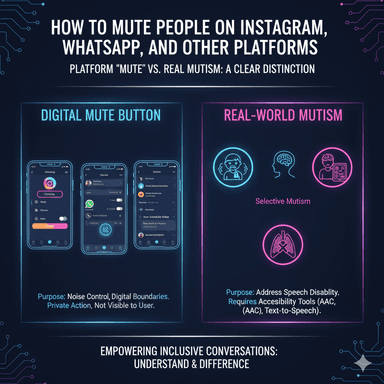
How to Mute People on Instagram, WhatsApp, and Other Platforms

Platform 'mute' hides updates without blocking, different from real-world mutism. Quick guides for Instagram, WhatsApp, Facebook, plus communication tips for actually mute users.

January 4, 20262 min read

Editorial Team

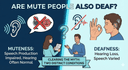
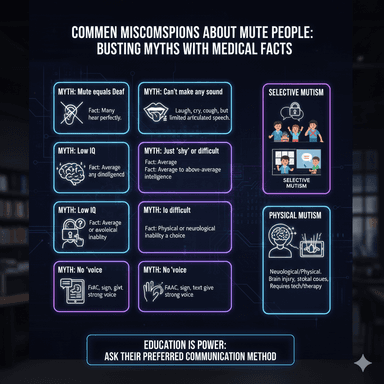
Common Misconceptions About Mute People

Mute people aren't deaf, limited in intelligence, or emotionless, they communicate richly via sign, text, and tech. Bust 10 myths with medical facts.

January 4, 20262 min read

Editorial Team

The Future of Communication Accessibility

AI neural interfaces, universal design, and policy shifts promise seamless communication for mute people by 2030. Explore emerging tech and inclusion trends.

January 4, 20262 min read

Editorial Team

What Is Sign Language and How Does It Work?

Sign language is a complete visual language using hand shapes, movements, facial expressions, and body posture to convey meaning. Learn its structure and daily use.

January 4, 20262 min read

Editorial Team

How Many Sign Languages Exist Around the World?

Over 300 distinct sign languages exist worldwide, each with unique grammar tied to local Deaf communities and cultures, not universal like spoken languages.

January 4, 20262 min read

Editorial Team

Is Sign Language Universal? The Truth Explained

No, sign language is not universal. Each country has distinct languages with different grammar and vocabulary, making ASL and BSL completely different.

January 4, 20262 min read

Editorial Team

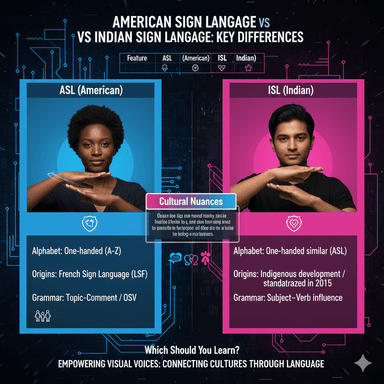
American Sign Language vs Indian Sign Language: Key Differences

While both share a one-handed alphabet, ASL and ISL differ in cultural context, grammar, and regional vocabulary. Discover how these two dominant systems compare.

January 4, 20262 min read

Editorial Team

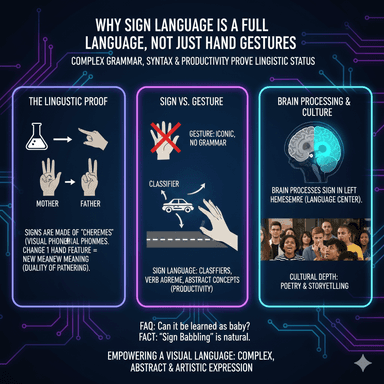
Why Sign Language Is a Full Language, Not Just Hand Gestures

Sign language features complex grammar, syntax, poetry, and productivity rules, proving linguistic status beyond simple gestures. Explore its structure.

January 4, 20262 min read

Editorial Team

Can Technology Translate Sign Language Accurately?

Discover if AI can accurately translate sign language in real-time. Explore current accuracies up to 98%, key challenges like gesture similarity, and future possibilities for seamless communication.

January 4, 20262 min read

Editorial Team

Challenges Mute People Face in Everyday Communication

Mute individuals encounter daily barriers in public, work, and education. Learn key struggles like isolation, impatience from others, and access issues, plus empathetic strategies to overcome them.

January 4, 20262 min read

Editorial Team

How Businesses Can Become More Accessible to Mute Individuals

Practical guidelines for businesses: Train staff, offer text options, and use visual aids to welcome mute customers and employees effectively.

January 4, 20261 min read

Editorial Team

The Role of AI in Improving Accessibility Worldwide

AI transforms accessibility for disabilities via translation, captions, and predictive text. Global impact includes bridging language gaps and aiding mute users daily.

January 4, 20261 min read

Editorial Team

How Voice, Text, and Gesture-Based Communication Are Converging

Multimodal comms blend voice, text, gestures via AI apps, enabling mute users seamless interactions across platforms.

January 4, 20261 min read

Editorial Team

What Is Assistive Technology? Examples and Use Cases

Assistive technology empowers people with disabilities through tools like screen readers and AAC devices. Discover definitions, real-world examples, and practical use cases for daily independence.

January 4, 20261 min read

Editorial Team

How Accessibility Tech Is Changing Education

Digital tools like AI captions and AAC transform inclusive classrooms. See how accessibility tech boosts learning for mute, deaf, and disabled students worldwide.

January 4, 20261 min read

Editorial Team

Can AI Replace Human Interpreters? A Balanced Perspective

AI sign interpreters advance rapidly but can't fully replace humans due to nuance, ethics, and context. Balanced view on strengths, limits, and hybrid future.

January 4, 20261 min read

Editorial Team

How Non-Verbal Communication Shapes Human Interaction

Non-verbal cues like gestures and expressions convey 60-90% of meaning. Crucial for mute individuals relying on visual language to connect deeply.

January 4, 20262 min read

Editorial Team

Common Accessibility Features Every App Should Have

Essential app features: VoiceOver, captions, high-contrast. Checklist for developers to make apps inclusive for mute, blind, and motor-impaired users.

January 4, 20261 min read

Editorial Team

Why Inclusive Technology Is a Growing Global Priority

Inclusive tech addresses 1.6B disabled people worldwide via policy shifts, ethics, and economic gains. UN CRPD and corporate ESG drive urgent global adoption.

January 4, 20262 min read

Editorial Team

How AI Is Being Used to Break Communication Barriers

AI breaks barriers via real-time translation, gesture recognition, and predictive text across healthcare, education, and emergency services for mute users.

January 4, 20261 min read

Editorial Team

What the Future Holds for Human-Computer Communication

Beyond voice/text: brain-computer interfaces, holographic projection, and emotion AI redefine interaction for mute and hearing users alike.

January 4, 20261 min read

Editorial Team

How Startups Are Driving Innovation in Accessibility

Accessibility startups raised $2.8B in 2025, pioneering gesture AI and neural AAC to disrupt trillion-dollar markets.

January 4, 20261 min read

Editorial Team

Building a More Inclusive Digital World

A comprehensive roadmap for universal design, AI ethics, and community collaboration to create a digital world where mute individuals thrive equally.

January 4, 20261 min read

Be Part of the
Voice Revolution

Join our waitlist and be among the first to experience a world where everyone has a voice.

No spam, ever
Unsubscribe anytime

This is just the beginning.