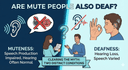
Can Mute People Speak? Understanding Speech, Silence, and Communication
No, mute people cannot produce spoken words due to physical, neurological, or psychological barriers, yet they communicate richly through alternatives. This in-depth guide unpacks muteness, its causes, and ways to connect meaningfully for personal growth and empathy.
Editorial Team
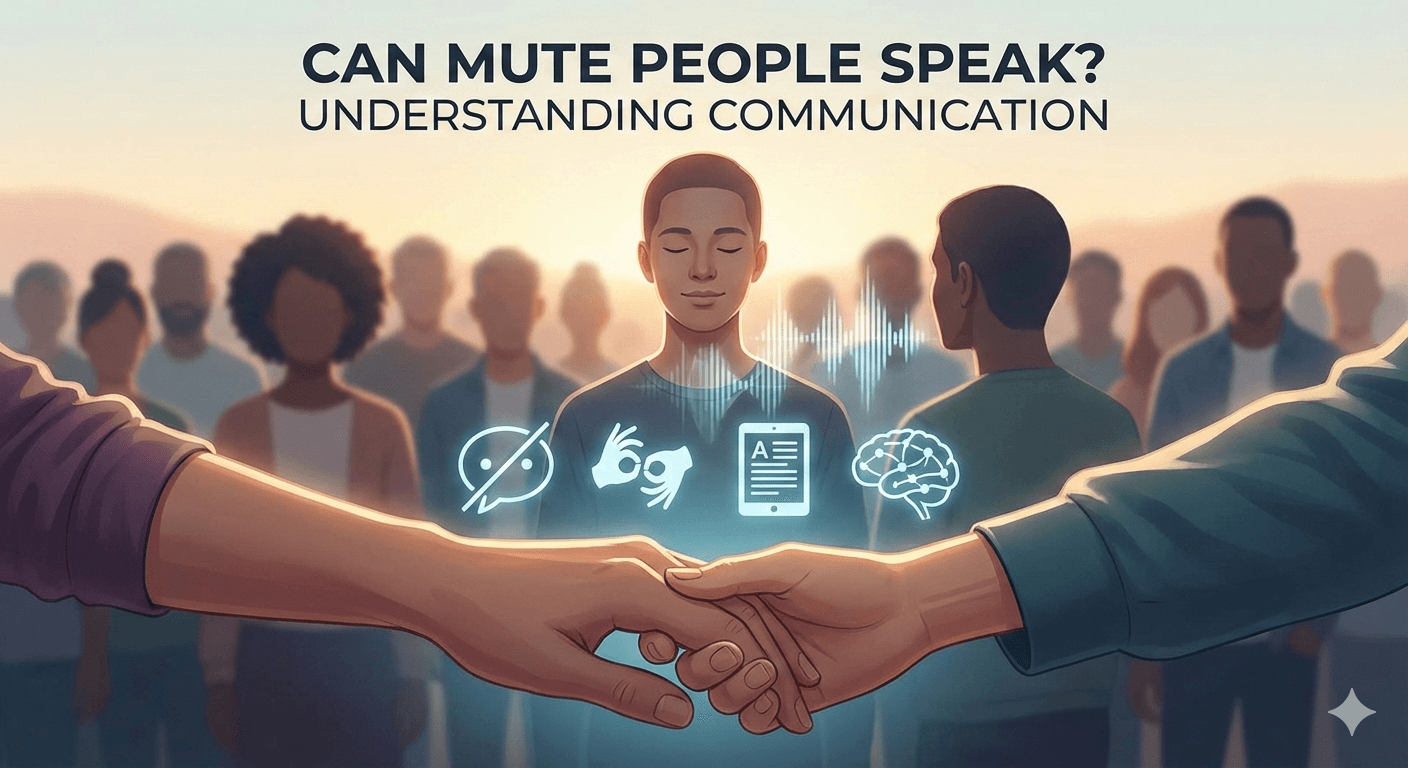
Direct Answer: No Verbal Speech, But Full Expression
The term 'mute' refers to the inability to produce verbal speech, often due to physical damage like vocal cord paralysis, neurological disorders such as strokes or autism spectrum conditions, or psychological factors like selective mutism triggered by severe anxiety. This does not equate to a lack of voice, mute individuals convey complex ideas, emotions, and needs through sign language, writing, gestures, and advanced tech, challenging us to listen beyond words.
Embracing these methods cultivates deeper empathy, a key skill for personal development and stronger relationships in everyday life.
Breaking Down Types of Mutism
Physical mutism results from structural issues, including throat injuries, laryngeal cancer, or conditions like amyotrophic lateral sclerosis (ALS) that weaken vocal muscles. Neurological mutism arises when brain areas responsible for speech coordination, such as those affected by traumatic brain injury or cerebral palsy, fail to function properly.
Selective mutism, conversely, is not physical, individuals can speak fluently in comfortable environments but 'freeze' in social or unfamiliar settings due to overwhelming anxiety, often linked to genetic predispositions or early trauma.
Powerful Alternatives to Speech
Globally, sign languages like American Sign Language (ASL) or Indian Sign Language (ISL) serve as complete linguistic systems with grammar and syntax. Assistive technologies, including text-to-speech apps (e.g., Proloquo2Go), eye-tracking devices for those with limited mobility, and gesture-recognition wearables, enable seamless communication.
These tools not only bridge gaps but also empower users, teaching others patience and attentiveness, essential for emotional intelligence and growth.
FAQs and Growth Tips
- Can mute people whisper or sing? It depends on the cause; physical damage often prevents all voiced sounds, but some retain whispers if cords partially function.
- Is mutism always lifelong? No, therapy, surgery, or behavioral interventions help many regain speech, while others master lifelong adaptations.
- How can I improve interactions? Ask their preferred method first, maintain eye contact, and practice active listening to build genuine connections.
Understanding mutism transforms misconceptions into opportunities for inclusion, fostering a more compassionate self.